

- Home
- Financial Resources
- Financial Articles
- Routine Car Maintenance That Saves You Money

Routine car care that can save you money
By Taylor Provost / 04/20/2026 / Your Car
Routine car maintenance doesn’t just help you dodge costly repairs; it also ensures your vehicle remains safe and runs at peak performance. Whether you think of your car as a lifeline to work, family and adventure, or simply a practical means of transportation, giving it the care it deserves pays off in the long run.
Think about your car like your health. Regular checkups are easier — and less expensive — than facing a major unexpected issue. Skipping routine maintenance, like replacing your oil or checking your tires, can lead to bigger problems like engine damage or accidents caused by preventable failures. By following this car maintenance checklist that integrates small, steady habits, you can save significantly and retain your car’s value for years, whether you’re planning to trade in or sell it down the line.
Essential routine car maintenance tips
1. Check and change your oil and filters
Unless you’re driving an electric vehicle, oil is the lifeblood of your engine, and neglecting regular oil changes can cause severe damage over time. Clean oil keeps your engine running smoothly by lubricating its moving parts and preventing overheating. Regularly changing the oil filter ensures dirt and particles don’t interfere with your engine’s health.
How often should you check? Consult your owner’s manual, but most vehicles recommend oil changes every 3,000 to 7,500 miles. Here are some signs that may indicate it's time to change your oil:
- Dark, gritty oil on the dipstick.
- A louder-than-normal engine.
- Low oil warning light activation.
And don’t forget about air filter replacement, which you should do around every three years or 30,000 miles, according to most manufacturers. The buildup of small particles over time will restrict air flow and could affect the quality of air inside the vehicle, not to mention your engine components.
Signs you need a new air filter:
- If it appears very dirty or has holes or tears in it, it should be replaced right away.
- If you notice slower acceleration than usual, the air filter could be clogged.
- If you’ve been off-roading or driving on a lot of dirt roads recently, chances are your filter is dirtier than usual and needs to be replaced.
Keeping up with these tasks may feel routine, but it’s a surefire way to keep your engine in tip-top shape.
2. Keep your tires in check
Your tires are directly responsible for your safety on the road and maintaining good fuel efficiency. Proper tire pressure reduces wear, improves performance and can even save fuel. Worn-down or misaligned tires decrease safety and can result in more frequent, more costly replacements.
Additionally, regular tire rotation and alignment help extend the life of your tires and improve fuel efficiency, saving you money in the long run. How often should you rotate your tires? Most manufacturers recommend doing so about every 5,000 to 7,500 miles, but you can find specific guidelines for your vehicle in the owner’s manual. For alignment checks, visiting a GM Certified Service provider once a year or anytime your vehicle pulls to one side can ensure your tires wear evenly.
3. Monitor fluid levels
It’s easy to overlook fluids other than oil, but they’re critical for preventing breakdowns and associated costs. Transmission, brake, coolant and windshield wiper fluids all ensure your car operates correctly and safely.
Pro Tip: Low brake fluid can mean worn brakes. Overlooked coolant issues could result in your car overheating.
4. Inspect brakes for safety and savings
Your brakes are vital to your safety and other drivers around you, making their maintenance nonnegotiable. Worn brake pads don’t just reduce stopping power, they also damage expensive components like rotors or calipers. Listen for the cues:
- Squeaking or grinding sounds.
- Soft or spongy brake pedals.
- Increased stopping distances or jerky braking.
5. Replace worn-out wipers and lights
Something as simple as swapping out your wipers or dim headlights can prevent accidents and keep you safe in harsh weather or at night. These are quick and affordable fixes that every car owner should prioritize.
6. Follow recommended maintenance schedules
Every vehicle has a manufacturer-recommended maintenance schedule detailing when to handle tune-ups, inspections and component replacements. Sticking to these guidelines maximizes your vehicle’s efficiency and safety while maintaining its value in the long term. GM Financial provides resources like GM Certified Service that allow you to schedule a visit with expert technicians who know your car inside and out.
7. Know your dashboard warning lights
Dashboard warning lights are your car’s way of alerting you to an issue, ranging from routine maintenance reminders to problems that could affect safety or cause expensive damage.
In general, red lights mean “stop as soon as it’s safe and get help,” while yellow/amber lights mean “schedule service soon,” and flashing lights often signal an urgent problem (like a misfire) that shouldn’t be ignored.
Some lights may come on briefly when you start the car as a normal system check, but any light that stays on while driving deserves attention. If you’re unsure what a symbol means, check the owner’s manual and avoid “guessing” or delaying. Quick action can prevent bigger repairs later.
Using your budget wisely for maintenance
Managing your car care within a budget doesn’t have to be challenging if planned correctly. Here are a couple of tips to allocate wisely:
- Set aside a portion of your monthly vehicle budget specifically for maintenance needs.
- Look at routine maintenance as you would a savings account. Small contributions over time prevent major financial setbacks.
- If it’s within your budget, consider extended coverage for your vehicle, such as a GM Protection Plan to safeguard against potentially costly covered repairs.
Maintaining your vehicle is one of the best investments you can make, both for your wallet and your peace of mind. By sticking to routine maintenance, you’ll enjoy a smoother, safer ride and avoid unnecessary expenses in the future.

By Taylor Provost
GM Financial
Related Articles
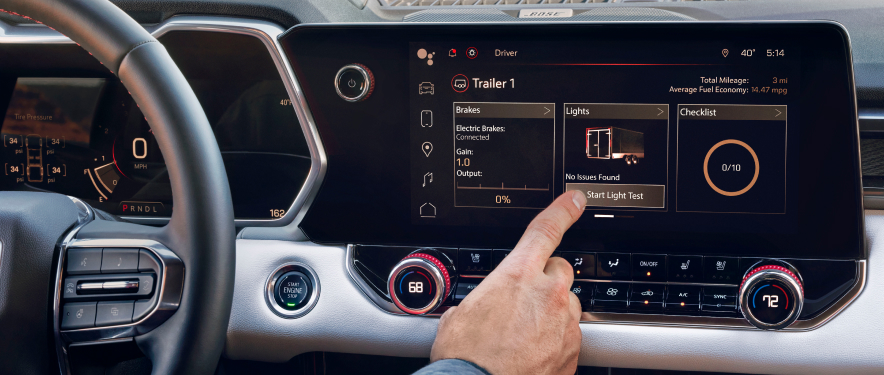
GM vehicle technology: How future predictions became today's reality
See how modern GM vehicle technology has turned science fiction into reality: from self-parking systems to automatic crash response.
FIND OUT
Test-driving a car: What to look for before you buy
Discover five questions to ask yourself during a test drive to help you make the right choice for your next vehicle.
GET ANSWERS